Fur Accessory Gift Guide: Choose for the Person, Not the Photo
A thoughtful gift starts with material preference and everyday use. Make a shortlist without guessing at fit, care, or what the recipient wants.
By Capricornus Living · Updated October 9, 2026
A fur accessory gift guide should start with the recipient's preferences, not the most striking photograph. First establish that they want genuine animal fur. Then choose a piece that fits an existing coat, a familiar routine, and measurements you can confirm. Ear coverage, wrist decoration, and hand coverage are different jobs. A one-size label does not remove fit uncertainty, and a surprise is not worth buying something the person will feel obliged to wear.
Ask the question that changes the whole shortlist
Would the recipient choose genuine fur for themselves? Someone who enjoys a soft-looking accessory may still prefer a different material. Do not infer their preference from a photograph, a fashion trend, or a faux-fur item they already own. An uncomplicated question about materials is more useful than a long shopping list assembled around the giver's taste.
If the answer is uncertain, make the choice together. You can keep the occasion thoughtful without keeping every detail secret: offer two or three suitable formats, explain why each made you think of them, and let them decide. This approach also makes room for someone to decline the category entirely. There is no need to persuade them that natural fur is inherently more responsible, more comfortable, or better for them.
Once the material preference is clear, ask what the piece would replace or improve. Perhaps they like leaving their hair uncovered but want an accessory around their ears. Perhaps they already own a plain coat they enjoy dressing up. Perhaps their current mittens fit poorly. These are useful starting points because each identifies a particular gap. “Something luxurious” does not tell you where to look.
Choose the fur accessory's job before choosing the piece
For someone who takes a hat off at every doorway
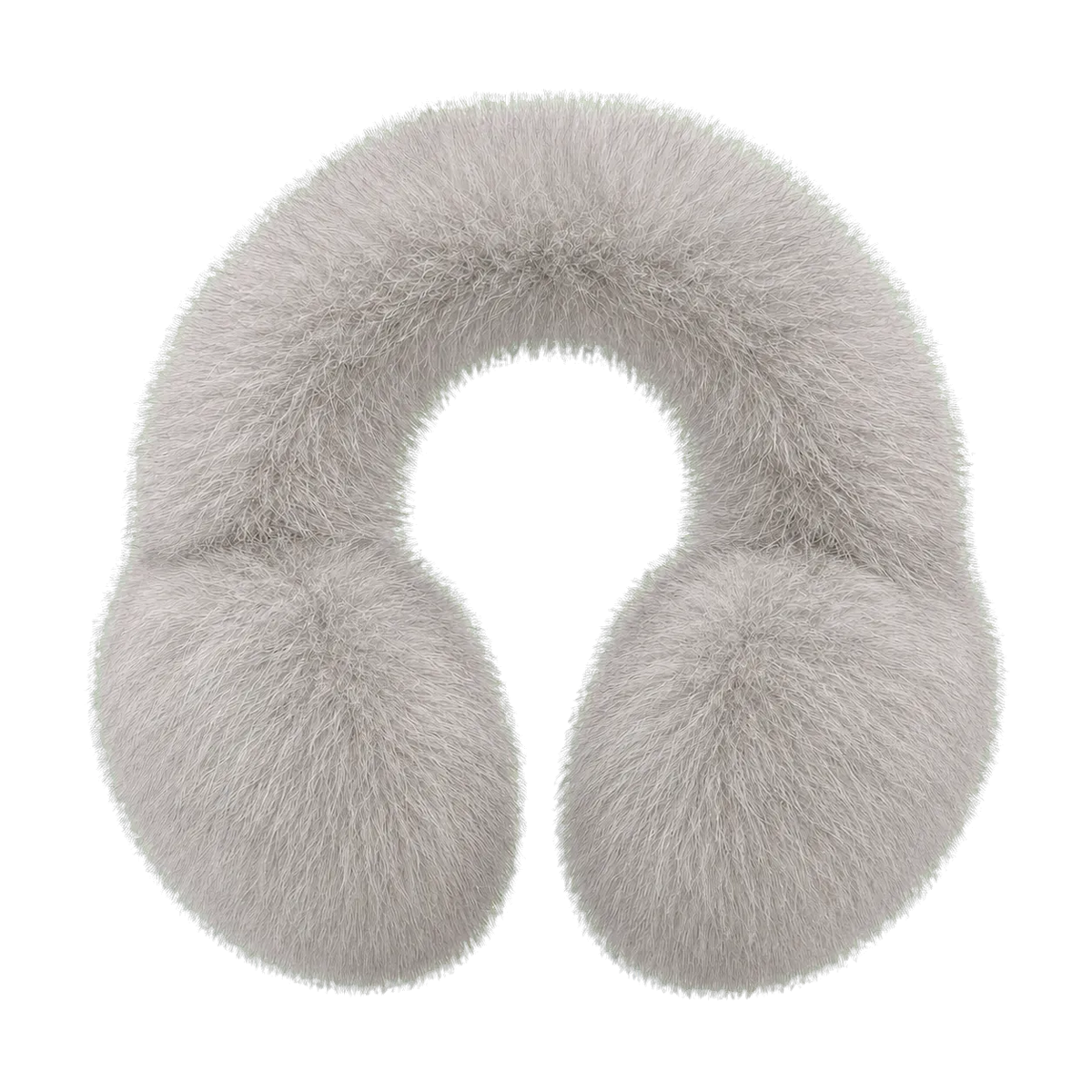
Earmuffs are worth considering if the recipient likes the idea of ear coverage without a full crown. Our concealed-band fox-fur earmuffs have a U-shaped band and rounded ear pads. The product is listed as one size; it is not presented as a measured universal fit. Head width, ear position, hair, glasses, and sensitivity to pressure can all affect whether this format feels right.
This is a promising gift only when the person actually enjoys wearing a band over the head. Someone who dislikes that sensation may not be won over by a different color. For a more specific fit discussion, use the natural fur earmuffs buying guide before deciding that earmuffs are easier to buy than a hat.
For someone who already loves their winter coat
A pair of removable wrist cuffs can change the finishing detail of a familiar coat. The fox-fur cuffs considered here have flexible elastic openings and come as a pair. Their job is to sit at the wrist or over a suitable sleeve; they do not enclose the fingers. Choose this format for the person who wants that particular look, not for someone who has asked for a replacement for full gloves.
Look at the recipient's actual sleeves. A thick, padded opening and a slim tailored sleeve give the cuff very different amounts of room. Elastic is not a promise that either will fit. If you cannot check the sleeve or obtain useful fit information, leave the cuffs on the shortlist rather than treating their lack of a numbered size as reassurance.
For someone who specifically wants covered hands
Mittens require a different conversation. Palm space, thumb position, hand length, and the overlap with a coat sleeve matter more than decorative effect. Our Rex rabbit knit mittens are described with a knitted fur shell, a soft lining, and a keeper cord. The lining's exact fiber composition is not specified in the description, so it would be wrong to turn that detail into a promise of fur lining.
If the person frequently needs separate finger movement, compare formats with them instead of making that trade-off on their behalf. The gloves and mittens buying guide is a useful next step. A beautiful pair is still a poor gift when the recipient immediately needs a different kind of handwear.
Build a small information card before ordering
You do not need a complete wardrobe inventory. Five useful details usually reveal whether the idea is ready to become a purchase:
- Material preference: the recipient has said they want genuine fur rather than another material.
- Main use: one ordinary situation, such as walking from the station, visiting friends, or wearing a familiar coat to dinner.
- Fit information: the relevant measurements or a chance to compare the actual accessory with the clothes and items worn alongside it.
- Color reference: a coat, bag, or other piece the recipient already wears often.
- Care preference: whether the person is comfortable following the accessory's care instructions and arranging specialist cleaning when needed.
Leave an unknown field blank. It is better to see one unresolved question than to replace it with a guess. For example, knowing someone's usual coat size does not establish their head width or the circumference of a sleeve opening. Similarly, a familiar glove size is not automatically transferable to an unmeasured stretch mitten.
Photographs can help with color and style, but keep the request simple and consensual. Ask to see the coat they would pair with the gift, or look together at one they already own. There is no need to inspect private photographs or turn a personal gift into a covert measurement exercise.
Use color to connect the gift to an existing outfit
Start with the coat worn most frequently, not a coat the recipient might buy later. A tonal accessory can create a continuous line; a contrast can make the accessory the focal point. Neither approach is inherently more flattering. The more useful question is which resembles the person's own choices.
Compare the combination in ordinary light where possible. A color name on a screen is not a guarantee of an exact match to an item at home. Product photographs, display settings, and the individual character of natural fur can affect the apparent shade and texture. If an exact match is essential, ask for help before ordering rather than promising the recipient that two separately photographed pieces will match.
Consider scale as well as color. Rounded ear pads sit beside the face, while cuffs draw attention to the ends of the sleeves. Choosing a smaller area of texture can be a deliberate styling decision; it should not be confused with a lower level of thoughtfulness. An accessory that suits the recipient's daily coat may be worn more often than a more dramatic piece chosen for the unwrapping moment.
Three reasons to pause the purchase
You are relying on “one size.” Ask what the fit description actually establishes. A flexible opening, a fixed band, and an adjustable construction are not interchangeable. If the recipient needs a very specific fit and the necessary measurement is absent, a joint choice is more sensible than a surprise.
The care routine does not suit the recipient. The fox-fur earmuffs and cuffs featured here are not machine-wash items. Their instructions call for cool, dry storage and professional fur cleaning for deeper cleaning. Someone who wants every winter accessory to go into the same household wash may prefer a different product with care instructions that match that routine.
The purchase depends on an assumption about timing or returns. Check the current shipping and refund information before placing the order. Do not assume gift packaging, a gift receipt, a holiday extension, a particular arrival date, or a recipient-initiated exchange unless the store confirms it. Those details can matter more than the accessory's color when the gift is for a fixed occasion.
Present the gift without turning packaging into storage
Follow the selected product's instructions and preserve its shape. Avoid pressing a fur accessory beneath heavy items simply to fit a smaller presentation box. A temporary gift presentation and a suitable long-term storage arrangement are different things. Keep the care information available so the recipient does not have to identify the material or work out the cleaning instructions alone.
Our care and keeping page offers the general starting point: follow the individual product's directions and seek specialist advice when more substantial cleaning is needed. Include the exact product name with the gift so the recipient can return to the right page. This is particularly helpful when several similar-looking accessories use different construction.
There is no need to attach a sales pitch. A short note explaining the real reason for the choice is enough: “I thought this would work with the coat you wear on your morning walk,” for example, if that is genuinely why you chose it. Avoid promising a temperature rating, a lifetime of use, or a material certification that has not been established.
Make a two-item shortlist, not a matching-set obligation
Consider an earmuff option and a cuff option only if both answer something the recipient wants. Compare where each sits, what must fit around it, and how it will be put away between wears. You do not need to add a hat, scarf, and bag simply because their colors look coordinated online. A single well-chosen piece leaves the recipient free to wear the rest of their wardrobe.
For someone who has not worn this category before, discussing one accessory can also make the decision less demanding. They can judge their comfort with the material and the styling without committing to a complete look. If they already have a favorite, identifying what they value about it may reveal that they would prefer the same format rather than an entirely different one.
When the important questions are answered, browse fur and leather accessories by the chosen job. The product examples below explain two different directions; they are not a claim that either suits every recipient. Open the selected item, confirm the current option and availability, and complete any missing fit checks before buying.
What if the recipient wants the gift to stay a surprise?
Keep the final color or presentation a surprise after agreeing on the material and format. If essential fit information is still missing, choose together. Preserving surprise is less important than avoiding an item that is uncomfortable or unwanted.
Are earmuffs automatically a safer gift than gloves?
No. Earmuffs avoid finger sizing, but band pressure, ear-pad placement, glasses, and hair still matter. Gloves and mittens have different fit questions. Choose the category whose uncertainties you can actually resolve for that person.
Two directions to compare

Women's Genuine Fox Fur Earmuffs - Plush Concealed Headband
Consider this concealed-band fox-fur format when the recipient wants ear coverage without a full hat. It is one size: check comfort with their hair, glasses and usual hood before choosing a color.

Genuine Fox Fur Wrist Cuffs - Elastic Winter Sleeve Warmers
A pair of elastic-opening fox-fur cuffs for someone who wants a finishing detail on an existing sleeve. Confirm wrist and sleeve compatibility; these cuffs leave the fingers uncovered.
Product information and further reading
Product descriptions checked October 9, 2026. Fit and styling suggestions are editorial guidance, not a report of product testing. Check the selected item for current details and availability.