Perfume, Makeup and Fur Accessories: A Better Dressing Order
Keep perfume and fur accessories separate during dressing. Apply fragrance and hair products before bringing the accessory into the area, and avoid direct spray or wet cosmetic contact with the fur.
By Capricornus Living · Updated October 9, 2026
Keep perfume and fur accessories separate during dressing. Apply fragrance and hair products before bringing the accessory into the area, and avoid direct spray or wet cosmetic contact with the fur. Check the exact care instructions rather than assuming a washable lining protects the exterior. If makeup or fragrance reaches the piece, document the product and affected area, then seek suitable cleaning advice instead of applying a household remover.
Perfume and fur accessories: Change the order, not your whole routine
There is no need to make getting dressed complicated. Prepare hair and makeup, put away open products, wash and dry your hands where needed, and add the accessory at the end. This separates small everyday actions that otherwise happen in the same crowded space. An earmuff placed beside an open makeup bag is easy to touch without noticing.
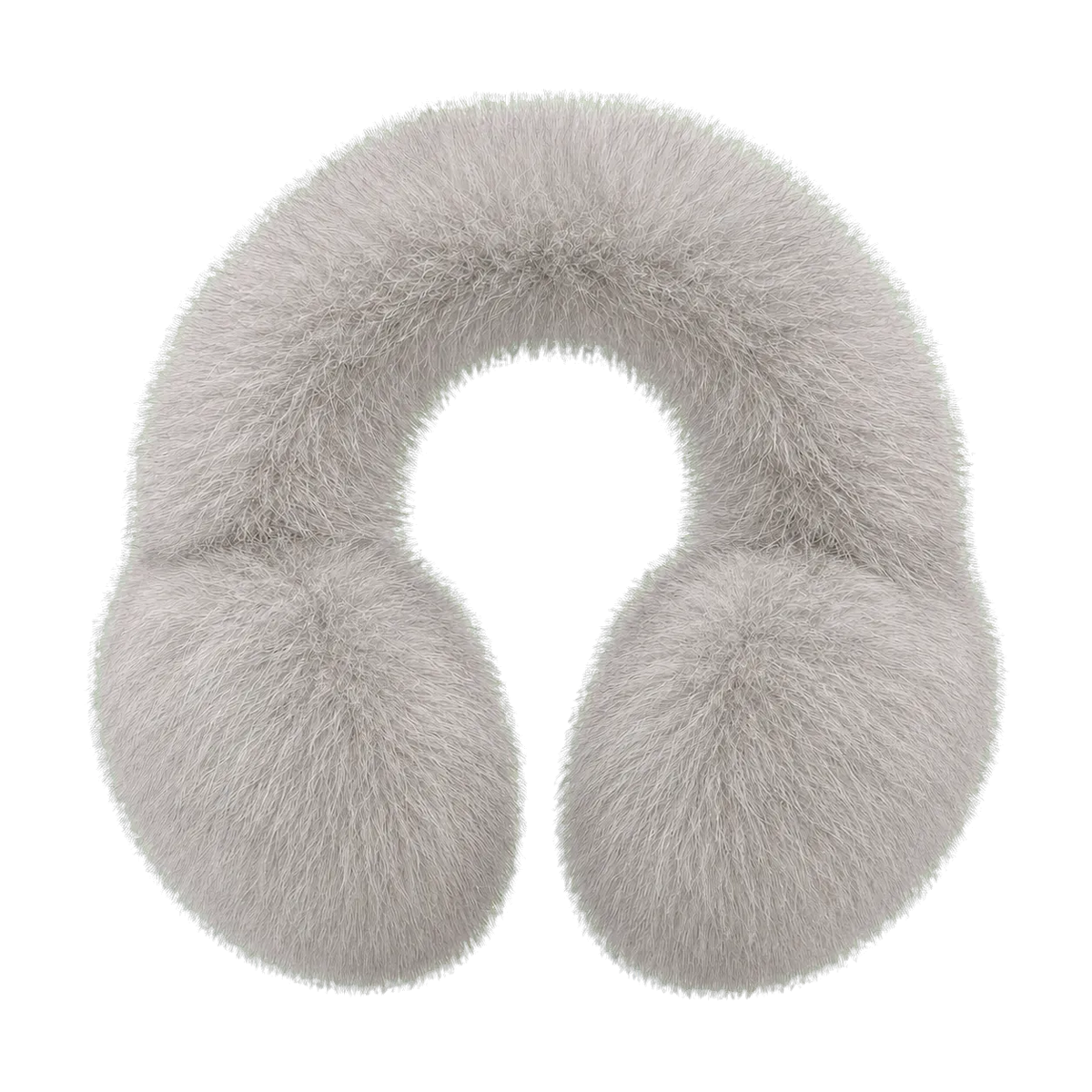
The fox earmuffs featured here explicitly say not to perfume the fur. The mink phone bag also lists perfume among exposures to avoid. Follow those directions as written. They do not provide a spray distance, an approved fragrance formula or a waiting time that makes direct application acceptable. Do not invent one from another garment’s advice.
Look for the contact points
A scarf sits near the neckline, cuffs sit near the hands, earmuffs frame the hair, and a small bag may brush against a coat or bare wrist. Think about those locations before putting the item on. The likely point of contact matters more than the fact that all four pieces are called accessories.
For a neckline accessory, check the coat and collar as well as your face. For cuffs, close jars and tubes before reaching through the openings. For earmuffs, finish using hair products before positioning the band. For a bag, keep cosmetics in their own secure container rather than loose against the lining. These are practical separation habits, not claims that a particular barrier makes contamination impossible.
If another person helps you dress, explain where the accessory is resting. A stylist reaching for a spray bottle or a friend adjusting a collar may not know that the item needs separate care. A simple request to keep products away is clearer than an elaborate explanation after the contact has occurred.
Do not use the accessory as a fragrance carrier
Some clothing routines involve scenting a scarf before leaving home. Do not transfer that habit to genuine fur when its care instructions prohibit perfume. A pleasant initial smell does not tell you how the complete accessory will respond. The condition of the hair, backing, lining and fittings matters, not only whether the fragrance is noticeable.
Furcare.org’s spray guidance advises keeping fragrance and hair products off fur and seeking professional cleaning for cosmetic contamination. The source is a fur-industry care program, not a test of every cosmetic formulation. Its advice supports a cautious separation routine; it does not establish that any one product in your bathroom is safe for the accessory. Read the source.
Likewise, avoid deodorizing sprays as a substitute for determining why an item smells different. Tell a cleaner about the smell and the circumstances. Covering it with another fragrance can make the history harder to understand and does not answer whether the piece needs cleaning.
If makeup transfers onto the fur
Stop handling the affected area. Keep the cosmetic container or note its exact name, and photograph the mark in ordinary light. Record whether the product was a powder, cream, liquid or spray, without trying to work out its chemistry yourself. This information can help a qualified cleaner decide what assessment is needed.
Do not reach automatically for a face wipe, makeup remover or stain pen. A product designed for skin or another textile is not thereby suitable for fur and its backing. Avoid rubbing the mark to see whether it will disappear. If the attached care information gives a specific response, follow it; otherwise ask for item-specific guidance before treating it.
Keep any attempted treatment in the record. If someone has already dabbed the area with water or another product, say so clearly. The point is not to assign blame but to give the person assessing the accessory a complete account. A short factual note is more useful than guessing that the contamination was harmless.
Pack cosmetics and accessories separately
When preparing for an evening out, check that containers are properly closed and that the bag has room for what you intend to carry. Do not assume a compact fur phone bag can hold a makeup kit simply because the products are small. Its usable interior and opening need to be confirmed for the specific items.
The mink bag shown below is described with a mink exterior and cowhide lining. That is a material description, not a spill-containment claim. A lining does not turn the bag into a washable cosmetic pouch. If you need to carry items that could leak, choose a separate suitable container and verify that the complete arrangement fits without forcing the closure.
At home, avoid leaving fur accessories on a dressing surface while applying products. Give them a clean resting place where brushes, powders and sprays are not being used. That small separation makes it easier to see the accessory’s condition and to put it away deliberately after wear.
Keep the styling choice comfortable
If a particular accessory sits where cosmetics repeatedly transfer, reconsider how you wear it rather than relying on constant cleaning. A different placement, a different outfit or leaving the piece for another occasion may be the more comfortable choice. You do not need to wear every accessory with every neckline.
For earmuffs, use the earmuffs buying guide to consider the band and hair together. For other pieces, compare their position with the clothes you actually use. Styling should make a routine easier, not require you to ignore the care instructions.
Keep a record of professional advice after any contamination incident. Follow the directions for that particular item when it returns, and ask about unresolved marks before attempting anything further. The aim is an accessory you can continue to enjoy, with a dressing order that makes accidental contact less likely.
Common questions
Can I spray fragrance onto the lining instead?
Not unless the maker explicitly permits it. Treat the accessory as a complete object, and do not assume a lining isolates the fur from the product.
Will airing remove a cosmetic stain?
Airing is not a stain-removal guarantee. Describe the mark and the cosmetic to a qualified cleaner and ask what the item needs.
Compare the featured accessory formats

Women's Genuine Fox Fur Earmuffs - Plush Concealed Headband
Concealed-band fox-fur earmuffs with rounded pads. Check the one-size fit with your hair, glasses and coat; no measured fit range or temperature rating is supplied.

Women's Genuine Mink Fur Phone Crossbody Bag - Mini Pearl-Strap Pouch
A mink-fur phone-bag format with listed cowhide lining and a pearl-style strap. Confirm opening and usable interior measurements for your belongings before choosing it.
Explore the related collection and check the selected option’s current details before ordering.
Sources and further reading
Product information checked October 9, 2026. Styling suggestions are editorial guidance, not a report of product testing. Follow the selected item’s care instructions.
- Women's Genuine Fox Fur Earmuffs - Plush Concealed Headband
- Women's Genuine Mink Fur Phone Crossbody Bag - Mini Pearl-Strap Pouch
- Furcare.org: Sprays
Continue with the related accessory guide · Explore our materials · Care and keeping